We Value Your Privacy
We use cookies to enhance your browsing experience, serve personalised ads or content, and analyse our traffic. By clicking 'Allow All', you consent to our use of cookies. For further details, please see our cookies policy.
We use cookies to enhance your browsing experience, serve personalised ads or content, and analyse our traffic. By clicking 'Allow All', you consent to our use of cookies. For further details, please see our cookies policy.
View navigation
SIXTH FORM OPEN EVENING - WEDNESDAY 4 NOVEMBER 2026 5 - 7pm

Curriculum
Reading is vital to having a fulfilled life. Whether it be understanding the instructions for a product or reading for pleasure, reading is a valuable tool that helps us to develop as people and make sense of the world around us. This is why reading is a key focus within our school. Research suggests that reading for pleasure makes the biggest impact to students’ progress and attainment. Reading frequently enriches lives, improving concentration, self-esteem, creativity and imagination. Confidence around reading helps to enhance both written and verbal communication skills - both key to a successful future. Our aim is to develop students’ ability to read with clarity, pace and expression, helping them not only to find meaning within texts, but also to enjoy the material they encounter.
Reading is a cross-curriculum skill and is taught across all subjects. Across school, we adopt 'Before- During - After' as an approach which supports students to develop the reading skills of prediction, clarification, questioning and summarisation. Students also have timetabled reading lessons three times a week for 30 minutes at the end of the school day.
Students benefit from high-quality texts and a range of reading approaches. We understand that fluency is the route to comprehension, so our curriculum secures this through whole class and small group approaches which build accuracy, automaticity and prosody. Fluency and expression serve to aid understanding and build engagement and the high-quality modelling of reading is important in developing this. Our approaches include echo, choral, paired and guided reading, to build students' confidence with peers before independently reading aloud to the class. Students read a variety of texts: both extracts and whole books, which have been carefully selected based on genres and themes that are challenging, enjoyable and relatable, whilst also linking closely to the Personal Development curriculum. The broad range of texts allows students to experience perspectives and ideas they may not usually choose for themselves, which in turn increases their understanding of the world.
Active assessment of reading is ongoing in lessons; Read to Succeed teachers focus on students' fluency. Additionally, formal assessment takes place using Bedrock Reading Testing twice a year (February and June) to identify whether students are on track. Year 7 students are also tested on arrival in September. This helps us to identify students who would benefit from an early intervention using a personalised digital literacy programme, Lexia or Bedrock, which they access online.
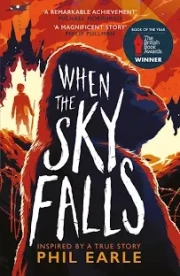
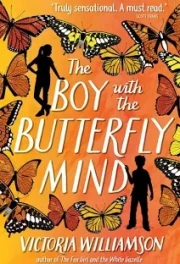
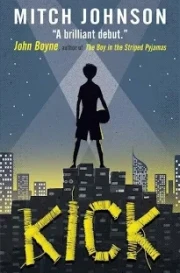
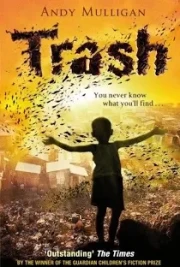
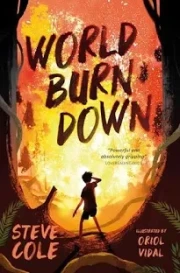
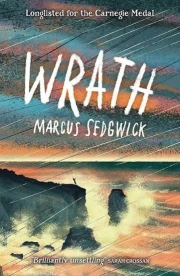
Students begin by reading a range of non-fiction extracts which are about individuals who have shown resilience and ambition. As we move through the year, students read fiction and non-fiction texts which encompass themes of friendship, human rights, justice and inclusivity. Each lesson, students respond to discussion-based questions, helping them to gain a deeper understanding of events and characters and allowing them the opportunity to share their own views. Challenging vocabulary is also taught, supporting students with comprehension and, more widely, helping them to improve in all areas of communication. Below is a selection of books students read in Year 7 and some of the themes they cover:
|
Relationships, Childhood, Acceptance and Belonging |
Poverty and Inequality |
Environmental Crisis |
|
|
|
|
Students also read a selection of non-fiction texts based on inspirational individuals and key events through the year.
Year 8
Students read books that encompass themes such as betrayal, loyalty, LGBTQ+ rights and discrimination. As with Year 7, students respond to discussion-based questions, helping them gain a deeper understanding of events and characters and allowing them the opportunity to share their own views and ideas. Challenging vocabulary is also addressed, supporting students with comprehension and, more widely, helping them to improve in all areas of communication. Below is the selection of books students read in Year 8 and some of the themes they cover:
|
Hope and Survival |
Family and Friendships |
Human Courage |
|
The Extinction Trials By S.M.Wilson
Looking at the Stars By Jo Catterill
|
Rat By Patrice Lawrence
Proud of Me By Sarah Hagger-Holt
|
The Bone Sparrow By Zana Fraillon |
Students also read a selection of non-fiction texts based on inspirational individuals and key events through the year.
Students read books that encompass themes such as gang violence, sibling rivalry and survival. As with previous years, students respond to discussion-based questions, helping them to gain a deeper understanding of events and characters and allowing them the opportunity to share their own views and ideas. Challenging vocabulary is also addressed, supporting students with comprehension and, more widely, helping them to improve in all areas of communication. Below is the selection of books students read in Year 9 and some of the themes they cover:
|
Friendship and Courage |
Family Conflict |
Strength and Survival |
|
City of Ghosts By Victoria Schwab
Room 13 By Robert Swindells
The Outsiders By S. E. Hinton |
Unstoppable By Dan Freedman
Super Awkward By Beth Garrod
|
Divergent By Veronica Roth
I Am Malala By Malala Yousafzai
|
Students also read a selection of non-fiction texts based on inspirational individuals and key events through the year
As well as the Read to Succeed programme, we ensure students are given further opportunities to develop their reading skills and engage in reading for pleasure, including our form time 'Trailer Reads' initiative, which encourages students to read novels that have now become well-known films. We also have opportunities for author visits and welcomed Tom Palmer into our school before the summer break, who shared his own motivations for writing books, such as his successful ‘Foul Play’ series. We further inspire reading amongst students through our Form Reading Challenge and other competitions throughout the year, such as our '16 before 16 challenge' for year 10 students, who are challenged to read 16 books before their 16th birthday. Many of our competitions link to specific events throughout the year, such as Black History Month and Jane Austen Day. You can find out more information about what we have to offer on the school’s library page of our website.
Programme Leader for Whole School Reading: Miss L Robinson robinsonl@tmhs.rklt.co.uk